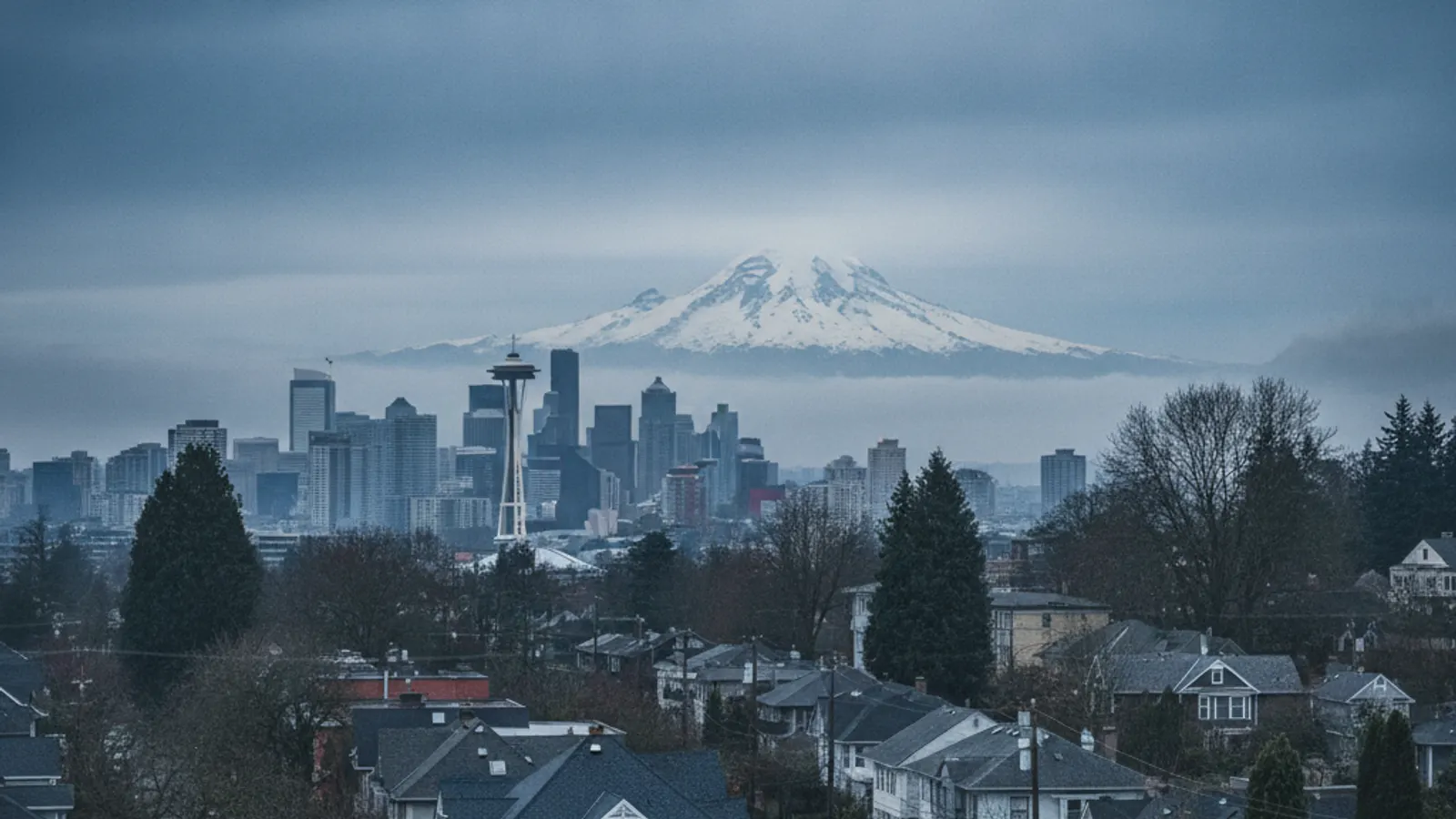
Heating Repair & Service in Seattle Metro
Seattle Metro heating repair & service for furnaces, boilers, and heat pumps. We fix cold air, strange noises, and high bills. Schedule service now!
Is Your Furnace Blowing Cold Air or Making a Racket?
Is your furnace blowing cold air, making a grinding noise you can hear through the floor, or just refusing to turn on at all? These aren't just annoyances; they're clear signs your heating system has a serious mechanical or electrical problem that won't fix itself. Glendale Heating And Air Conditioning has technicians ready across the Seattle Metro to diagnose the failure and get your heat working again.
Warning Signs Your Heating System Needs Repair
When your heating system is failing, it gives you clues before it quits completely. Recognizing these signs early can be the difference between a straightforward repair and a full system breakdown. Pay attention to what your furnace, boiler, or heat pump is telling you.
No Heat or Insufficient Heat
This is the most obvious sign of a problem. You might feel lukewarm or completely cold air coming from your vents, or the system might run without ever reaching the temperature set on your thermostat. This often points to a failed ignitor, a malfunctioning gas valve, a clogged filter choking off airflow, or a bad blower motor.
Strange Noises from the Unit
Your heating system should operate with a consistent, low hum. If you start hearing new sounds like high-pitched squealing, metallic grinding, or loud banging and clanking, something is mechanically wrong. Squealing often indicates a bad belt or failing motor bearings, while banging can be a sign of dirty burners or, more seriously, a problem with your heat exchanger.
Unusual Odors
You should never smell fuel or anything burning near your heating unit. A strong smell of gas or oil indicates a dangerous leak that requires immediate attention. A hot, metallic, or plastic burning smell can point to an overheating motor or a serious electrical fault, which is a fire hazard.
Skyrocketing Energy Bills
If your utility bills have suddenly shot up without a change in your usage, your heating system is likely the culprit. This is a classic sign of inefficiency, meaning the unit is working much harder than it should to produce heat. The cause could be anything from a severely clogged filter to worn-out internal components.
Frequent Cycling or Constant Running
A properly functioning system runs in predictable cycles to maintain temperature. If you notice your furnace turning on and off every few minutes (short cycling), it's putting extreme wear on its components. Conversely, a system that runs constantly without shutting off is failing to heat your home effectively and is wasting a tremendous amount of energy.
Common Causes of Heating System Failure
We've seen it all in the thousands of homes we've serviced across the Seattle Metro. While every situation is unique, most heating repairs trace back to a few common culprits. Understanding these can help you see why professional diagnostics are so critical.
Lack of Regular Maintenance
This is the number one cause of heating system failure. When a system isn't professionally cleaned and inspected annually, dirt builds up on critical parts like the flame sensor, burners, and blower wheel. This buildup forces the system to work harder, leading to strained components and eventual breakdowns.
Worn-Out or Faulty Components
Heating systems are machines with moving parts that wear out over time. Ignitors, thermocouples, blower motors, and capacitors all have a finite lifespan. After a decade or more of service, it's not a matter of if a part will fail, but when.
Electrical Issues
Your heating system relies on a series of electrical connections, switches, and a control board to operate. A loose wire, a failed relay, or a faulty transformer can prevent the system from starting or cause it to operate erratically. These issues require a trained technician with diagnostic tools to trace and safely repair.
Pilot Light or Ignition Problems
For gas furnaces, one of the most common points of failure is the ignition system. An electronic ignitor can crack, or a pilot light's thermocouple can fail, preventing the system from safely lighting the burners. These components are essential for both operation and safety, and they must be serviced correctly.
What to Expect During Your Heating Repair Service
When a Glendale Heating And Air Conditioning technician arrives, our first job is to listen. We want to hear exactly what you’ve been seeing, hearing, and smelling, because those details help us narrow down the problem quickly. After that, we perform a complete diagnostic inspection of your heating system, using specialized tools to test components and identify the exact point of failure.
Before any work starts, we'll explain the problem to you in plain language and provide a clear, upfront price for the repair. With your approval, we get to work, using quality parts from our fully stocked trucks to fix the issue. Because we have our own sheet metal shop, we can even fabricate custom parts for complex repairs on the spot, something most companies can't do. Once the repair is finished, we test the entire system to ensure it’s running safely and efficiently, leaving your home warm and secure.
Heating Repair & Service Coverage Across Seattle Metro
From the north end of Lake Washington to the neighborhoods of Tacoma, our team provides expert heating repair across the entire region. We have local technicians ready to respond to your call, ensuring fast and reliable service no matter where you live.
Related Heating Services
Sometimes a repair diagnosis reveals that a system is past the point of a cost-effective fix. In those cases, we can provide honest advice on a full Heating Installation & Replacement. Many of the most common repairs we see could have been avoided with preventative care, which is why we also offer a comprehensive Heating Maintenance & Tune Up service to keep your system running reliably.
Get Your Heat Back On
Don't put up with a cold house or a heating system you can't trust. A small problem today can become a complete system failure tomorrow if it's ignored. Our technicians have the experience and training to diagnose the issue correctly the first time and provide a lasting repair.
Let our family, in business since 1938, take care of yours. Contact Glendale Heating And Air Conditioning today to schedule your service and get your heat back on.
Planning the budget
Not sure what's wrong yet? Try the free symptom checker — three quick questions, honest guidance. Shopping equipment? See the brands we install (Lennox, Daikin, Mitsubishi).
Questions Seattle homeowners ask us
Is a heat pump a good choice in Seattle?
Absolutely. Washington's mild winters are ideal for heat pumps — they heat efficiently nearly all year and cool your home in summer too. Ask us about current utility rebates that may apply to your home; it's one of the smartest upgrades a PNW homeowner can make.
How do I know if I should repair or replace my furnace?
It depends on age, repair cost, and efficiency. As a rule of thumb, if your system is over 12–15 years old and facing a major repair, replacement often saves money long-term. Our technician will give you the honest options so you can decide.
What brands do you install and service?
As an authorized Lennox dealer we specialize in high-efficiency Lennox systems, and our technicians service all major HVAC brands. We carry common parts on the truck so most repairs are handled in a single visit.
What areas does Glendale Heating serve?
We serve the Greater Seattle area — including Seattle, Bellevue, Renton, Kent, Burien, Des Moines, Federal Way, Auburn, Tacoma, and surrounding King and Pierce County communities. Not sure if you're in our area? Call (206) 243-7700 and we'll let you know.
More answers on the full FAQ page .

Ready for comfort you can count on?
Whether it's a furnace that quit on a cold morning or a whole new system, the Glendale team is ready. Honest pricing, expert work, and 87+ years behind every visit.
Hours & Emergency
- Mon–Sat: 8:00 AM – 7:00 PM
- Sun: Emergency On-Call Only
- Emergency line: (206) 243-7700