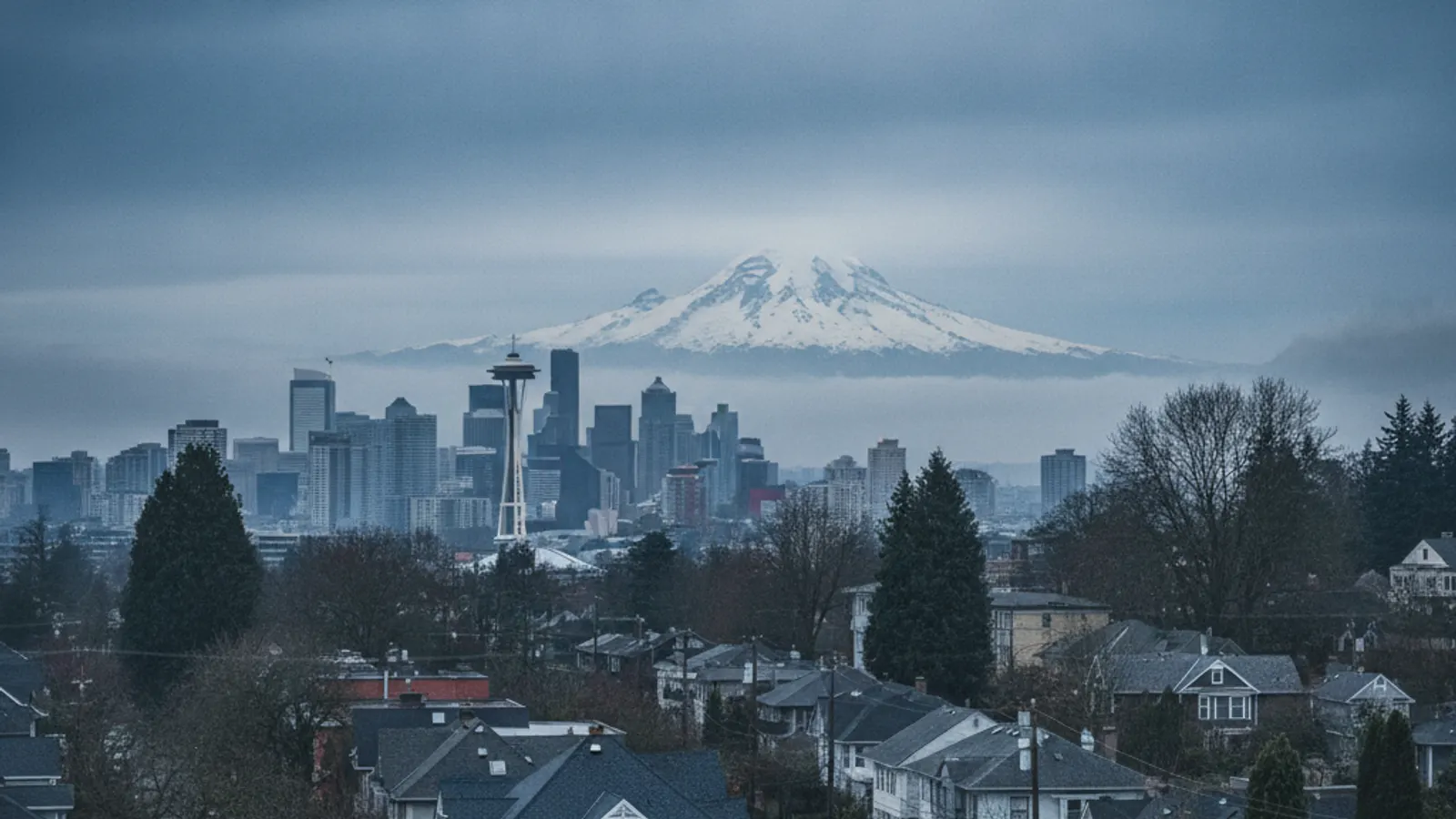
System Inspection Services in Seattle Metro
HVAC issues in Seattle Metro? Our system inspection services diagnose musty smells, high bills, or inconsistent heating. Get a free estimate today!
Is That Musty Smell Back, or Are Your Energy Bills Creeping Up Again?
Is a faint, persistent odor coming from your vents, or are you puzzled by rooms that are suddenly too hot or too cold? These aren't just quirks of an old house; they're direct signals from your HVAC system that something is wrong and needs a professional diagnosis. Glendale Heating And Air Conditioning has technicians ready across the Seattle Metro to find the real source of the problem.
Warning Signs Your System Needs an Inspection
Persistent Musty or Stale Odors
A lingering, damp smell, especially when your system runs, is a classic sign of moisture problems. In our wet Seattle climate, this often points to mold or mildew growth inside your ductwork or on the evaporator coil. Ignoring it won't just make your home smell unpleasant; it can impact indoor air quality and lead to more significant component damage.
Unexplained Spikes in Energy Bills
If your utility costs are climbing without any change in your habits, your HVAC system is likely struggling. This inefficiency can be caused by anything from a clogged filter or a refrigerant leak to failing components forcing the system to work overtime. You're not just paying more for comfort; you're paying for a system under stress that's heading toward a breakdown.
Inconsistent Heating or Cooling
When one room is an icebox and another is an oven, your system isn't distributing air correctly. This is often caused by leaky ducts, a failing blower motor, or an improperly balanced system, common issues in homes across the region. This wastes energy and puts a massive strain on your equipment as it runs constantly trying to satisfy the thermostat.
Strange Noises or Vibrations
Your HVAC system should be a background hum, not a source of grinding, squealing, or clanking. These sounds are mechanical warnings: squealing can mean a worn belt, grinding points to a failing motor, and rattling could be loose parts. These noises never fix themselves and almost always get worse, turning a small repair into a major replacement.
System Cycling Too Frequently
Does your furnace or heat pump turn on and off every few minutes, or does it seem to run endlessly without ever reaching the set temperature? Both are serious red flags indicating anything from a faulty thermostat to a critical refrigerant leak or airflow restriction. This constant starting and stopping or non-stop running drastically shortens the lifespan of your system's most expensive components.
Common Causes of HVAC System Issues
Age and Accumulated Wear
Every mechanical system has a breaking point. After 15-20 years of Seattle's damp winters and mild summers, the components in your furnace, heat pump, or air conditioner simply wear out. Bearings seize, electrical connections corrode, and efficiency plummets, leading to the symptoms that are now disrupting your home.
Inadequate or Skipped Maintenance
It's easy to forget about your HVAC system until it fails, but skipping routine maintenance has a cumulative effect. Dirty coils, clogged drain lines, and unlubricated motors force the entire system to work harder, consume more energy, and fail prematurely. What starts as a simple cleaning task can quickly evolve into a full-blown component failure.
Ductwork Issues and Airflow Obstructions
Your ducts are the lungs of your home, and if they're leaking, disconnected, or blocked, your system can't breathe. We find compromised ductwork in crawl spaces and attics all over the Seattle Metro, bleeding conditioned air and money into unused spaces. These issues are a primary cause of uneven temperatures and high energy bills.
Electrical Component Failures
The complex network of capacitors, relays, and contactors in your unit is vulnerable to power surges and simple wear. A failing capacitor can prevent your fan or compressor from starting, while a bad relay can cause erratic behavior. These electrical faults often start as minor annoyances but can lead to a completely dead system if not addressed.
What to Expect From Our System Inspection Service
When you call for an inspection, you get a technician focused on diagnosis, not a salesperson. We start by listening to you describe the problem—the sounds, the smells, the comfort issues—because you know your home better than anyone. This conversation guides our hands-on investigation, ensuring we’re looking for the root cause, not just the obvious symptom.
Our process is methodical. We perform a full operational check, testing electrical components, measuring airflow, checking refrigerant pressures, and inspecting the physical condition of your indoor and outdoor units. We look for the common failure points we’ve seen in thousands of homes, from corroded wiring in a damp crawlspace to a struggling blower motor caked in dust. Once we’ve identified the exact issue, we explain it to you in plain English, show you what we found, and provide clear, upfront pricing for any recommended repairs before any work begins.
System Inspection Services Coverage Across Seattle Metro
From the shores of Puget Sound to the Cascade foothills, our team is equipped to diagnose HVAC issues in homes throughout the region. We bring decades of local experience to every call, understanding the specific challenges our climate presents to your heating and cooling equipment.
Seattle: Seattle
Related Services
A system inspection is the first step in identifying a problem. If our diagnosis reveals a specific component failure, our team is fully prepared to perform any necessary heating and AC repair. For systems that are struggling due to age and neglect rather than a distinct failure, a comprehensive maintenance and tune-up can often restore performance and prevent future breakdowns.
Get a Clear Diagnosis and an Honest Solution
Don't keep guessing what's wrong with your heating and cooling system while your comfort and budget suffer. Ignoring the problem won't make it disappear; it just gives it time to get worse and more expensive. Get a definitive answer from a technician who has seen it all.
Our family has been keeping homes comfortable since 1938, and we do it with honest, no-pressure diagnostics. If you're ready to find out exactly what's going on with your HVAC system, contact Glendale Heating And Air Conditioning today to schedule a thorough inspection.
Planning the budget
Not sure what's wrong yet? Try the free symptom checker — three quick questions, honest guidance. Shopping equipment? See the brands we install (Lennox, Daikin, Mitsubishi).
Questions Seattle homeowners ask us
Is a heat pump a good choice in Seattle?
Absolutely. Washington's mild winters are ideal for heat pumps — they heat efficiently nearly all year and cool your home in summer too. Ask us about current utility rebates that may apply to your home; it's one of the smartest upgrades a PNW homeowner can make.
How do I know if I should repair or replace my furnace?
It depends on age, repair cost, and efficiency. As a rule of thumb, if your system is over 12–15 years old and facing a major repair, replacement often saves money long-term. Our technician will give you the honest options so you can decide.
What brands do you install and service?
As an authorized Lennox dealer we specialize in high-efficiency Lennox systems, and our technicians service all major HVAC brands. We carry common parts on the truck so most repairs are handled in a single visit.
What areas does Glendale Heating serve?
We serve the Greater Seattle area — including Seattle, Bellevue, Renton, Kent, Burien, Des Moines, Federal Way, Auburn, Tacoma, and surrounding King and Pierce County communities. Not sure if you're in our area? Call (206) 243-7700 and we'll let you know.
More answers on the full FAQ page .

Ready for comfort you can count on?
Whether it's a furnace that quit on a cold morning or a whole new system, the Glendale team is ready. Honest pricing, expert work, and 87+ years behind every visit.
Hours & Emergency
- Mon–Sat: 8:00 AM – 7:00 PM
- Sun: Emergency On-Call Only
- Emergency line: (206) 243-7700