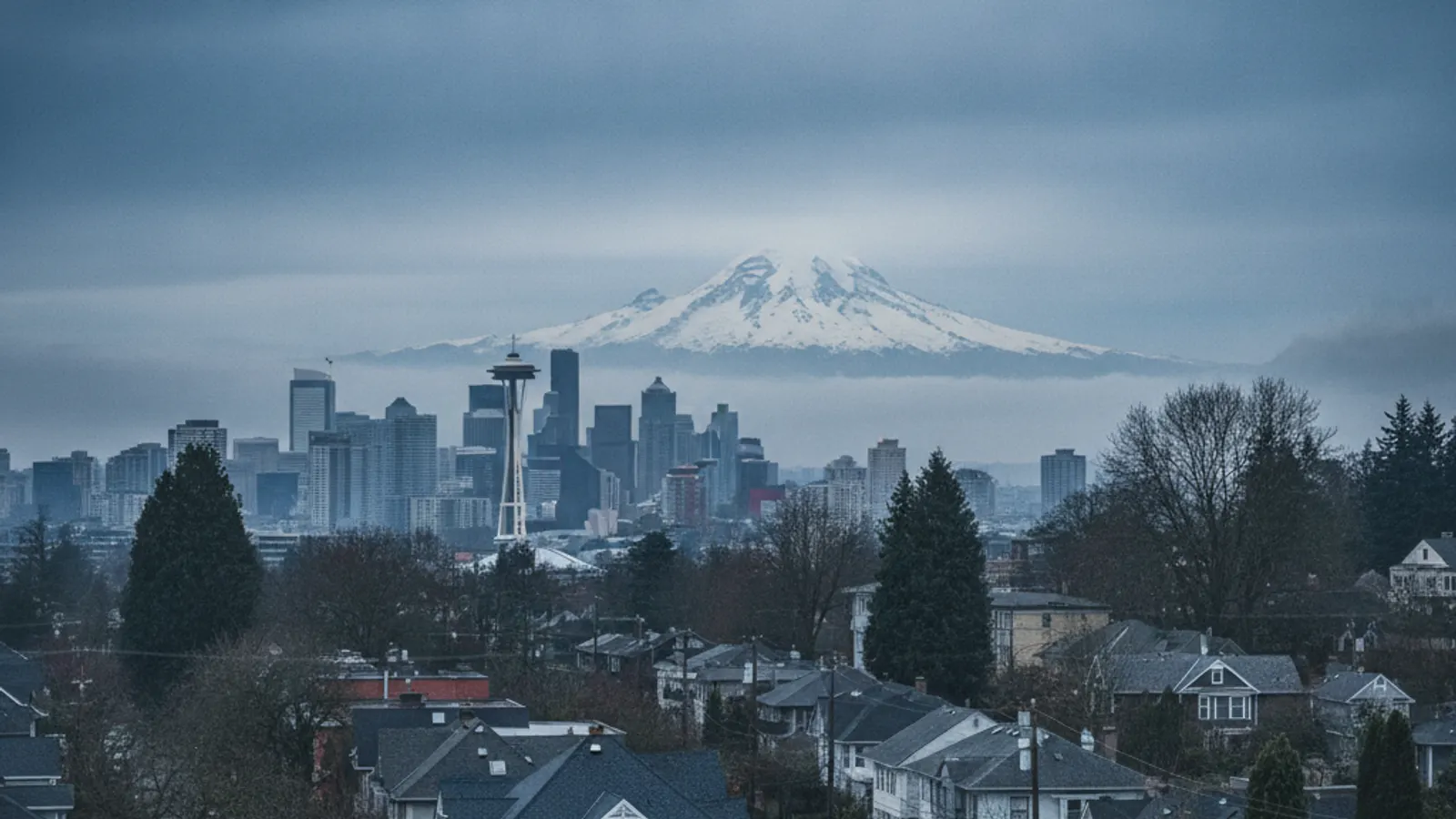
How long does a furnace last in Seattle?
Most gas furnaces in the Puget Sound area last 15–20 years, and regular professional maintenance is the biggest factor in which end of that range you reach. Our long heating season means more runtime hours per year than milder climates, so wear accumulates faster than national averages suggest. Past 12–15 years, major repairs usually stop making financial sense against replacement — especially when a newer furnace or a heat pump conversion would also cut fuel spend and unlock utility rebates.
The quick answer
- Typical Seattle-area furnace lifespan: 15–20 years with maintenance
- Past 12–15 years, put major repair money toward replacement instead
- Our long heating season means more runtime hours per year than milder climates
- A maintenance record also protects your manufacturer's parts warranty
When does furnace age start to matter?
Age becomes a decision factor the first time a repair quote crosses a few hundred dollars. On a 6-year-old furnace, you fix it without a second thought. On a 15-year-old furnace, the same failure is a fork in the road — because the next failure is already queued up behind it.
Seattle's heating season is long: your furnace runs from October into May in most homes. That's more accumulated runtime per calendar year than a national average suggests, which is why local systems often age faster than the sticker lifespan implies.
Burien and West Seattle homes with original equipment from the 1980s–90s are now hitting the 15–20 year window in clusters — which is why we see replacement waves follow housing booms by roughly two decades. Knowing your furnace's install year (sticker inside the cabinet) gives you a honest timeline.
The signs a furnace is aging out
The pattern we see on service calls, in rough order: heating bills creep up with no rate change to explain them, rooms heat unevenly, the unit short-cycles or runs longer to hit the same temperature, and burner or blower noises change character.
- Repairs are getting closer together — two in the same season is the classic signal
- Yellow or wavering burner flame instead of steady blue
- Visible rust or corrosion around the cabinet or flue
- The system pre-dates 2010 (80% AFUE era) and bills show it
Why maintenance decides the lifespan
A furnace is a heat engine with a filter problem. Restricted airflow — dirty filters, crushed returns, closed registers — makes the heat exchanger run hotter than designed, and thermal stress is what cracks heat exchangers. A cracked heat exchanger is the classic end-of-life failure: it can leak combustion gases and is rarely worth replacing on an old unit.
Annual professional maintenance keeps combustion tuned, verifies airflow, and catches the cheap failures (ignitors, sensors, capacitors) before they cascade into expensive ones. It also creates the service record most manufacturers ask for when honoring parts warranties.
What replacement looks like when the time comes
Replacement is a one-to-two-day job in most Seattle homes: the new furnace, code-required venting corrections, permit, and disposal. Modern condensing furnaces run 90%+ AFUE versus the ~80% of older units, which is a real monthly difference across a Puget Sound heating season.
Many Seattle homeowners also use the replacement moment to price a heat pump — Washington's mild winters suit them, and utility conversion rebates only apply at replacement time.
PSE pays $3,000–$4,000 for qualifying gas-to-heat-pump conversions; Seattle Clean Heat pays $2,000–$6,000 for oil conversions. Those rebates exist at replacement — not as retroactive credits after you've already bought equipment on impulse during a cold snap.
What does it cost in the Seattle area?
For context when the repair-versus-replace math starts, the typical Seattle-area ranges:
Repair visit / diagnostic
$150 – $450
Diagnostic fee plus a typical single-part repair
National figures — Seattle-area labor typically runs above. Sources: HomeGuide — HVAC repair cost (2026)
Gas furnace replacement
$4,000 – $9,000 typical ~$5,500
New high-efficiency furnace, installed — equipment, labor, permit
Sources: Home Comfort Alliance Seattle furnace guide (2026) · HVAC Project Cost — Seattle, WA (2026)
- Repair pricing depends on the failed part — ignitors and sensors sit at the low end, control boards and gas valves at the top
- Replacement pricing moves with size, AFUE tier, and any venting or code corrections your home needs
- Seattle-area permits commonly add $150–$450 to a replacement
These are typical Seattle-area market ranges compiled from published cost guides (Angi, HomeGuide, and Seattle-area 2025–2026 cost studies) — market context, not a quote from Glendale Heating & Air Conditioning. Your home's size, equipment, ductwork, electrical, and permits change the number. National figures are marked; Seattle-area labor typically runs above national averages.
The mistakes that shorten furnace life
Skipped filters are the number one killer — a $15 filter left in for a year does more damage than a decade of normal wear. Closing registers in unused rooms backfires too: it raises static pressure and makes the blower work harder against its own ductwork.
The other failure mode is the endless-repair trap: putting a major repair into a 17-year-old furnace, then facing replacement anyway a winter later. Ask for the repair-versus-replace math in writing before approving any big fix on an old unit.
Heat pumps add a third path at replacement: PSE conversion rebates ($3,000–$4,000) and Seattle Clean Heat for oil ($2,000–$6,000) can shift the math before you approve another four-figure furnace repair. The rebate exists at replacement time — worth pricing before you sign the repair authorization.
Questions Seattle homeowners ask
How long do furnaces last in the Pacific Northwest?
Most gas furnaces here last 15–20 years with documented maintenance. Our heating season runs October into May for many homes — more runtime hours per calendar year than milder climates — so annual tune-ups matter more for reaching the top of that range. Neglected airflow (clogged filters) can end a furnace early via heat-exchanger cracks regardless of age.
Is it worth repairing a 15-year-old furnace?
For a minor fix — flame sensor, ignitor, capacitor — often yes. For a major repair — heat exchanger, control board, gas valve — usually not: typical Seattle-area replacement runs in the sourced range on this page and resets both efficiency and warranty. Get the repair-vs-replace math in writing before approving any big fix; we provide it on every significant repair quote.
Does maintenance really extend furnace life?
Yes, measurably. Restricted airflow overheats the heat exchanger — the failure that ends most furnaces — and annual service keeps airflow and combustion in spec while catching small parts before they take out big ones. It also preserves the service record manufacturers ask for on warranty claims. In Puget Sound's long season, skipping maintenance is the difference between 15 years and 20.
What's the most common end-of-life furnace failure?
A cracked heat exchanger. It comes from years of thermal stress — often accelerated by airflow neglect — can leak combustion gases into your air, and on an older furnace it's rarely worth replacing. That's typically the moment to price a new system or a heat pump conversion, not another repair band-aid.
Continue exploring
How we know this
Lifespan and failure patterns reflect Glendale Heating & Air Conditioning's service history across Greater Seattle since 1938. Price context comes from published Seattle-area cost studies (Angi, HomeGuide, 2025–2026) — market ranges, not Glendale quotes.
Reviewed by the Glendale Heating & Air Conditioning team · Last updated 2026-07-15
Ready for comfort you can count on?
Whether it's a furnace that quit on a cold morning or a whole new system, the Glendale team is ready. Honest pricing, expert work, and 87+ years behind every visit.
Hours & Emergency
- Mon–Sat: 8:00 AM – 7:00 PM
- Sun: Emergency On-Call Only
- Emergency line: (206) 243-7700