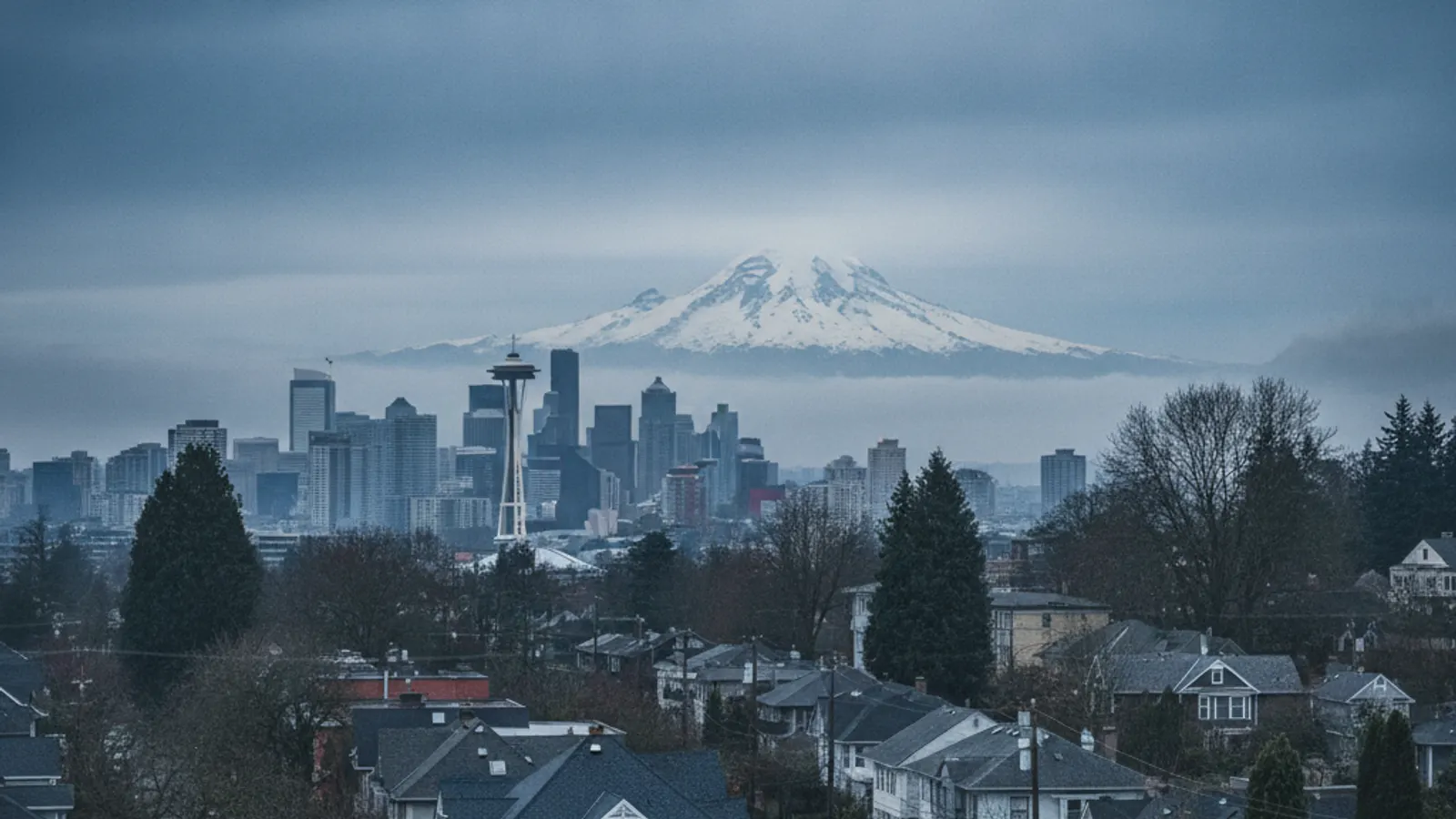
Ductless Inspection & Testing in Seattle, WA
Seattle ductless system underperforming? Get expert inspection and testing to diagnose issues, improve efficiency, and restore comfort.
Is Your Seattle Ductless System Underperforming?
Are you noticing a persistent musty smell from your ductless mini-split, struggling to get consistent heating or cooling in your Seattle home, or seeing your energy bills climb without explanation? These aren't just minor annoyances; they're often clear indicators that your ductless system is struggling with efficiency, air quality, or even a brewing mechanical issue. At Glendale Heating And Air Conditioning, we understand the specific challenges Seattle homeowners face with their ductless systems, and our expert technicians are ready to provide thorough ductless inspection and testing to pinpoint the problem.
Common Warning Signs of a Ductless System in Trouble
When your ductless system needs attention, it will usually give you a few clues. Paying attention to these signs can help you catch a small problem before it turns into a major, expensive repair.
Musty Odors or Poor Air Quality
You're catching a damp, moldy, or stale smell whenever your ductless unit runs, or you just feel the air isn't as fresh as it should be. This often signals mold or mildew growth on the evaporator coil or in the condensate drain pan, a common issue in Seattle's humid environment. Beyond being unpleasant, this can significantly impact your indoor air quality and aggravate allergies.
Reduced Heating or Cooling Performance
Your ductless unit isn't heating or cooling your space as effectively as it once did, or you find yourself constantly adjusting the thermostat. This is particularly noticeable during Seattle's increasingly warm summers or damp winters when you rely on the system most. This symptom often points to low refrigerant levels, dirty coils, or a failing fan motor, forcing the system to work harder while delivering less comfort.
Strange Noises or Vibrations
Your ductless unit is making unusual sounds—grinding, banging, hissing, or excessive rattling—that weren't there before. These noises can indicate a variety of problems, from a loose fan motor and worn bearings to a refrigerant leak. Ignoring these sounds can lead to component failure, requiring much more expensive repairs down the road.
Unexpectedly High Energy Bills
Your monthly utility bills are consistently higher than usual, even though your usage patterns haven't changed. An inefficient ductless system has to run longer and harder to maintain desired temperatures, which directly translates to higher energy consumption. This is a clear sign that your system is not operating at its optimal efficiency.
Leaks or Excessive Condensation
You've noticed water pooling around the indoor unit, dripping from it, or visible ice buildup on the outdoor unit. Water leaks often stem from a clogged condensate drain line, a very common issue in a humid environment like Seattle's. This can cause water damage to your walls and flooring and indicates a serious issue with your system's drainage or refrigerant circuit.
What's Causing Your Ductless System's Problems?
Understanding the root cause of the issue is the first step toward a reliable solution. Several common problems can affect ductless systems, especially in our local climate.
Dirty Evaporator Coils or Filters
Over time, dust, pet dander, and other airborne particles accumulate on the indoor unit's filters and evaporator coil. In Seattle, the combination of urban dust and pollen from our lush greenery, coupled with the damp air, can create a sticky grime. This buildup restricts airflow, reduces efficiency, and can lead to poor air quality and higher energy consumption.
Refrigerant Leaks or Low Levels
Refrigerant is the lifeblood of your ductless system, absorbing and releasing heat to cool or warm your home. Leaks can occur in the lines or connections due to wear, corrosion, or damage. Low refrigerant levels drastically reduce your system's ability to function, leading to inefficient operation and potential damage to the compressor.
Clogged Condensate Drain Lines
As your ductless unit cools, it removes humidity from the air, producing condensation that drains away through a small line. Seattle's generally damp climate creates an ideal breeding ground for algae and mold within these drain lines, making clogs a frequent occurrence. A clogged line causes water to back up and overflow from the indoor unit, leading to leaks and water damage.
Electrical Component Malfunctions
The intricate electrical components—capacitors, contactors, wiring, and circuit boards—can degrade over time or fail unexpectedly. Consistent use in a climate that demands both heating and cooling throughout the year can put more strain on these components. Electrical issues can lead to intermittent operation, complete system shutdown, or even safety hazards.
Aging System or Wear and Tear
Like any mechanical system, ductless units have a finite lifespan, and components naturally wear out. Many Seattle homes, especially older Craftsman and bungalow styles, were retrofitted with ductless systems years ago. These systems are now reaching the point where wear and tear become a significant factor in their performance.
What to Expect During Your Ductless Inspection & Testing Visit
When a Glendale Heating And Air Conditioning technician arrives at your Seattle home, you can expect a comprehensive and thorough diagnostic process. Our goal is to accurately identify any issues and provide you with clear, straightforward solutions.
First, we perform a detailed visual inspection of both your indoor and outdoor units, checking for any obvious signs of wear, damage, or leaks. We'll examine connections, wiring, and the overall physical condition of the system.
Next, we conduct performance testing. This includes checking refrigerant pressure, ensuring proper airflow, and measuring temperature differentials to assess heating and cooling efficiency. We also inspect and clean your filters and check the cleanliness of the evaporator and condenser coils.
A critical part of our inspection involves checking the condensate drain line for blockages—a common culprit for leaks in our climate—and ensuring it's draining properly. We also test all electrical components for proper function and safety.
After our assessment, your technician will provide a detailed report of their findings. We'll explain any necessary repairs and offer honest, upfront pricing before any work begins, so you can make an informed decision.
Enhance Your Comfort with Related Ductless Services
A professional inspection is a crucial step in diagnosing a problem, but ongoing care is key to preventing future issues. To ensure your system's optimal performance, consider combining our inspection with regular Ductless Maintenance & Tune-Up services. Routine tune-ups can prevent many common issues, keeping your system running efficiently year-round.
If your inspection reveals persistent issues related to air quality, you might also explore our Indoor Air Quality Services. These solutions can work with your ductless system to create a healthier and more comfortable living environment in your Seattle home.
The Real Cost of Delaying Ductless Inspection in Seattle
Ignoring the warning signs from your ductless system might seem like a way to save money now, but it almost always leads to more significant problems. A small refrigerant leak, for example, can eventually cause compressor failure—a repair that can be nearly as expensive as a new unit.
Beyond the financial strain, a malfunctioning system compromises your comfort and indoor air quality. Persistent musty odors, common in Seattle if drainage is poor, can indicate mold growth that impacts your family's health. Taking action early with a professional inspection helps catch minor issues before they become major breakdowns, extending the life of your system and keeping your home comfortable.
Schedule Your Seattle Ductless Inspection Today
Don't let minor ductless issues escalate into major headaches that disrupt your comfort and budget. For over 87 years, Glendale Heating And Air Conditioning has been the trusted family-owned HVAC provider for Seattle and the greater Puget Sound area. Our licensed and insured technicians provide honest, upfront pricing and expert service backed by decades of experience. If your ductless system isn't performing as it should, contact us today to schedule your professional inspection and testing.
Local HVAC context: Seattle
Utility & rebates
Seattle City Light territory: qualifying heat pumps get instant equipment discounts of $300–$600 (stepping up at HSPF2 8.1 / 8.5 / 9.5), and oil-heated homes can add Seattle Clean Heat's $2,000–$6,000.
Rebate finder Heat pump vs furnace decision How heat pumps work here
The housing stock here
The full spectrum: pre-war Craftsmans, Tudors, and foursquares (often duct-free, sometimes still oil-heated — the city estimates 8,000–10,000 oil homes remain), mid-century ramblers, and a boom of townhomes, ADUs, and DADUs. Ductless retrofits and oil conversions are the signature Seattle jobs.
Deep dives: Pre-war Craftsman/Tudor · ADU/DADU · Townhome/condo
Permits
Mechanical and electrical permits run through the Seattle Department of Construction & Inspections (SDCI) — we pull them on our installs. Permits are part of every legitimate bid — Seattle-area mechanical permits commonly add $150–$450 to a replacement.
Glendale & Seattle
Our Burien shop sits just south of the city line — Seattle has been core service territory since 1938, from West Seattle bungalows to new Ballard townhomes.
Planning the budget
Not sure what's wrong yet? Try the free symptom checker — three quick questions, honest guidance. Shopping equipment? See the brands we install (Lennox, Daikin, Mitsubishi).
Questions Seattle homeowners ask us
Is a heat pump a good choice in Seattle?
Absolutely. Washington's mild winters are ideal for heat pumps — they heat efficiently nearly all year and cool your home in summer too. Ask us about current utility rebates that may apply to your home; it's one of the smartest upgrades a PNW homeowner can make.
How do I know if I should repair or replace my furnace?
It depends on age, repair cost, and efficiency. As a rule of thumb, if your system is over 12–15 years old and facing a major repair, replacement often saves money long-term. Our technician will give you the honest options so you can decide.
What brands do you install and service?
As an authorized Lennox dealer we specialize in high-efficiency Lennox systems, and our technicians service all major HVAC brands. We carry common parts on the truck so most repairs are handled in a single visit.
What areas does Glendale Heating serve?
We serve the Greater Seattle area — including Seattle, Bellevue, Renton, Kent, Burien, Des Moines, Federal Way, Auburn, Tacoma, and surrounding King and Pierce County communities. Not sure if you're in our area? Call (206) 243-7700 and we'll let you know.
More answers on the full FAQ page .

Ready for comfort you can count on?
Whether it's a furnace that quit on a cold morning or a whole new system, the Glendale team is ready. Honest pricing, expert work, and 87+ years behind every visit.
Hours & Emergency
- Mon–Sat: 8:00 AM – 7:00 PM
- Sun: Emergency On-Call Only
- Emergency line: (206) 243-7700