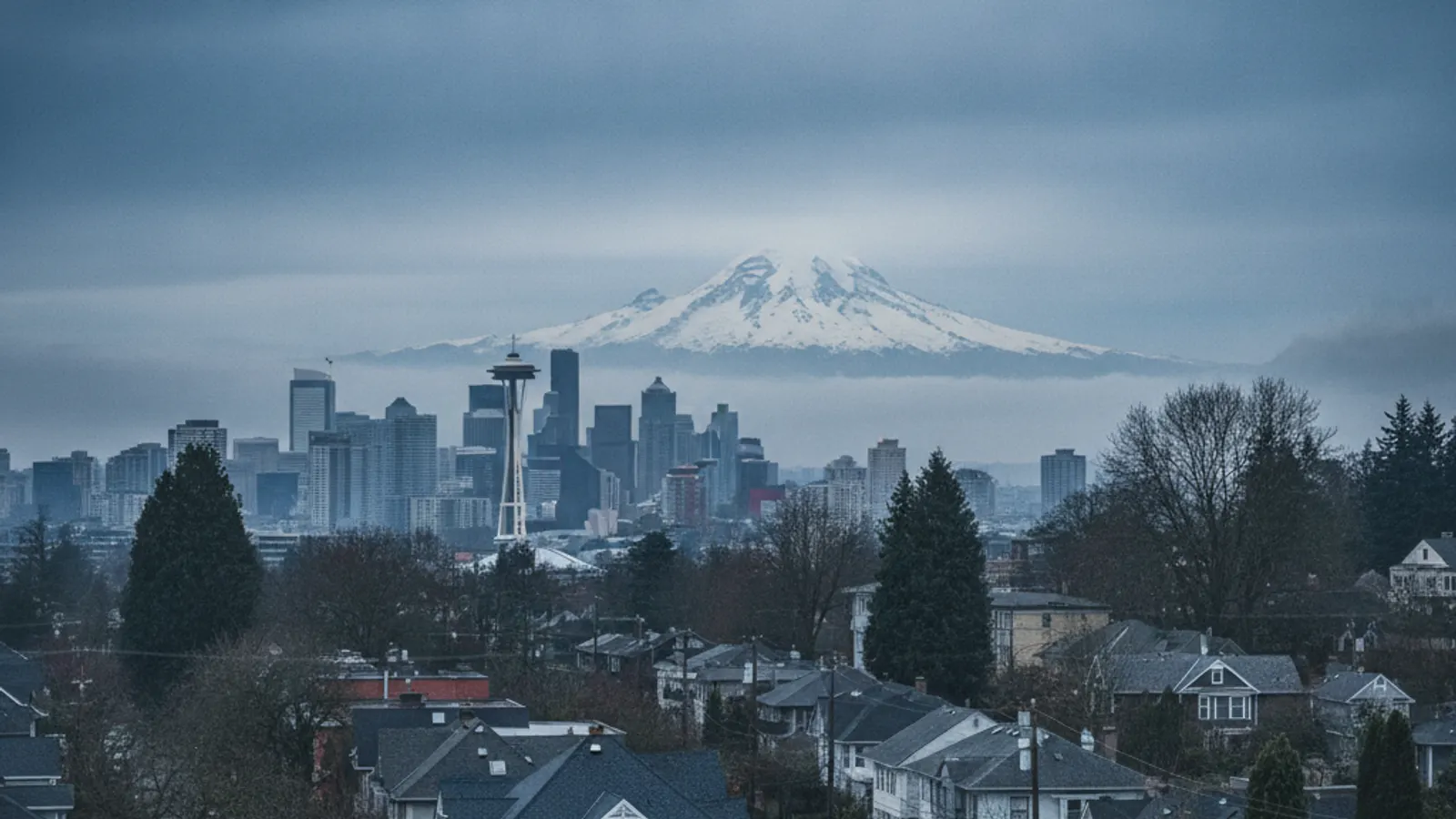
Heating Inspection & Testing in Seattle, WA
Ensure your Seattle home's warmth and safety with expert heating inspection & testing. Identify issues, boost efficiency, and prevent breakdowns.
Keeping Your Seattle Home Warm and Safe with Expert Heating Inspection
Is your Seattle home struggling to shake off the persistent damp chill, leaving some rooms noticeably colder than others? Are you noticing a strange, musty odor whenever your furnace kicks on, or has your energy bill climbed higher than you expected? These aren't just minor inconveniences; they're clear indicators that your heating system isn't operating as efficiently or safely as it should be, and ignoring them can lead to escalating costs and potential hazards. Glendale Heating And Air Conditioning, a trusted family-owned business serving the Greater Seattle area since 1938, is ready to provide the thorough heating inspection and testing your home needs.
Signs Your Heating System Needs an Inspection
When something feels off with your heat, you're usually right. Paying attention to the specific symptoms can help us pinpoint the problem faster when we arrive. Here are the most common signs we see that point to a need for a professional inspection.
Uneven Heating or Cold Spots
You notice that certain rooms in your home feel significantly colder than others, no matter how high you set the thermostat. You might feel drafts or find that the furnace that is struggling to distribute heat effectively.
Beyond just being uncomfortable, uneven heating wastes a tremendous amount of energy as your system overworks itself trying to compensate. This constant strain can wear out components, leading to premature breakdowns and more expensive repairs down the road.
Strange Noises or Odors from Your System
You’re hearing unusual sounds like banging, rattling, squealing, or grinding coming from your furnace when it operates. You might also smell a persistent musty, burning, or even a rotten egg-like odor when the heat is on.
Noises often indicate loose parts, motor issues, or a failing blower. A musty smell, which is very common in Seattle's damp climate, can signal mold or mildew in the ductwork. A burning smell could be dust, but a persistent acrid smell could indicate an electrical problem, while a sulfur smell is a critical sign of a potential gas leak.
Higher Energy Bills Without Increased Usage
Your monthly heating bill is significantly higher than it was last year, even though your habits haven't changed and the weather has been typical for Seattle. This is a classic sign that your heating system is losing efficiency and working much harder than it should.
The cause could be anything from dirty filters and a clogged burner to leaky ductwork in a damp crawl space or simply an aging system that can no longer perform at its best. An inefficient system costs you money every single month, and the underlying problem can cause accelerated wear and tear, shortening the lifespan of your furnace.
Frequent Cycling or Constant Running
Your furnace seems to turn on and off more frequently than it used to, a problem we call "short cycling." Or, it might do the opposite, running almost continuously without ever reaching the temperature you've set on the thermostat.
Short cycling can be caused by an oversized system, a clogged filter restricting airflow, or a faulty thermostat. A system that runs constantly might be undersized for your home, or it could have a malfunction with the heat exchanger or blower motor that prevents it from distributing heat effectively. Both scenarios put excessive strain on your system's components, leading to faster wear and higher energy consumption.
Poor Indoor Air Quality
You or your family members are experiencing an increase in allergies, respiratory irritation, or a general stuffiness inside your home whenever the heating system is active. This can feel particularly noticeable during Seattle's damp, cool periods when the windows are closed up tight.
This often means your heating system is circulating excessive dust, allergens, or even mold spores. The source could be dirty filters, neglected ductwork, or a compromised internal component. Consistently poor indoor air quality can negatively impact your health and comfort, making a professional inspection essential.
What's Actually Causing These Issues
Understanding the warning signs is the first step. Next is figuring out the root cause. Based on decades of experience, we find that most heating problems trace back to one of a few common culprits.
Neglected Maintenance and Dirty Components
Over time, dust, dirt, and debris build up on critical parts like filters, burners, fans, and coils. This is almost always the result of skipping annual professional inspections and tune-ups. Your system gets choked off, can't "breathe" properly, and has to work much harder to do its job.
A thorough heating inspection includes cleaning or replacing dirty filters, cleaning burners, and ensuring all moving parts are free of obstruction. This simple step is often all that's needed to restore efficiency and prevent a bigger breakdown.
Aging Equipment and Wear and Tear
Like any machine, your furnace or heat pump has a limited lifespan. After years of constant use, components naturally degrade, leading to decreased efficiency, more noise, and eventual failure.
Seattle's older housing stock means we see a lot of aging heating systems still in operation. An inspection allows us to identify worn parts, assess the overall condition of your system, and give you an honest opinion on whether repairs are enough or if it's time to start planning for a replacement.
Ductwork Leaks or Damage
Your ductwork can develop cracks, loose connections, or holes due to age, the house settling, or even pest damage in attics and crawl spaces. When this happens, the warm air your furnace produces escapes before it ever reaches your rooms.
Many older Seattle homes have ducts running through damp basements or crawl spaces, where moisture can degrade the materials over time. Our inspection includes checking the integrity of your ductwork, and because we have our own on-premises sheet-metal shop, we can fabricate custom solutions for effective, lasting repairs.
Corrosion from Consistent Dampness
The humid environment in and around a Seattle home can cause metal components inside your furnace to rust and corrode. This can affect everything from electrical connections and the burner assembly to the heat exchanger itself, which is a critical and expensive part.
Seattle's persistent dampness creates an ideal environment for this slow degradation to occur, leading to reduced efficiency and serious safety issues. During an inspection, our technicians specifically look for signs of rust and corrosion, cleaning affected areas or recommending the replacement of compromised parts to ensure safe operation.
What to Expect During Our Heating Inspection
When you schedule a heating inspection and testing service with Glendale Heating And Air Conditioning, our licensed and insured technician will arrive at your home ready to perform a comprehensive assessment. We start by listening to your concerns and any specific issues you've noticed. From there, we follow a systematic process to ensure nothing is missed.
Our inspection includes a thorough visual check of your furnace or heat pump for any signs of wear, damage, or corrosion. We perform critical safety tests, including checking for carbon monoxide leaks and verifying that all safety controls are functioning correctly. We also test the system's performance, monitoring airflow and temperature to ensure it’s operating to manufacturer specifications.
We examine every key component, from the thermostat and blower motor to the ignition system and electrical connections. After the inspection is complete, our technician provides a clear, easy-to-understand report of the findings. You'll receive honest, upfront pricing for any recommended repairs or maintenance before any work begins, so you can make an informed decision with no pressure.
Related Services to Keep Your Home Comfortable
To maintain optimal home comfort and efficiency, you may want to consider these related services.
A full heating maintenance & tune-up goes beyond an inspection, involving a deep cleaning, lubrication, and fine-tuning of your system for peak performance. If our inspection reveals issues with dust or allergens, our indoor air quality services can provide solutions like advanced filtration or air purifiers to ensure the air in your home is clean and healthy.
The Risks of Delaying a Professional Inspection
Putting off a professional heating inspection can have serious consequences. The most critical risk is safety; an uninspected furnace can develop a carbon monoxide leak, which is colorless, odorless, and extremely dangerous.
Beyond safety, ignoring warning signs leads to escalating repair costs as small issues turn into major breakdowns. You'll also continue to pay higher energy bills from an inefficient system, wasting money every month. Ultimately, neglecting inspections can shorten the lifespan of your heating equipment, forcing you into an expensive and unplanned replacement.
Your Trusted Seattle Heating Experts Since 1938
Don't wait for a complete breakdown or compromise your family's comfort and safety. A professional heating inspection and testing provides the peace of mind that your system is operating efficiently and reliably. The team at Glendale Heating And Air Conditioning is ready to serve homes and businesses across Seattle and the surrounding communities.
Local HVAC context: Seattle
Utility & rebates
Seattle City Light territory: qualifying heat pumps get instant equipment discounts of $300–$600 (stepping up at HSPF2 8.1 / 8.5 / 9.5), and oil-heated homes can add Seattle Clean Heat's $2,000–$6,000.
Rebate finder Heat pump vs furnace decision How heat pumps work here
The housing stock here
The full spectrum: pre-war Craftsmans, Tudors, and foursquares (often duct-free, sometimes still oil-heated — the city estimates 8,000–10,000 oil homes remain), mid-century ramblers, and a boom of townhomes, ADUs, and DADUs. Ductless retrofits and oil conversions are the signature Seattle jobs.
Deep dives: Pre-war Craftsman/Tudor · ADU/DADU · Townhome/condo
Permits
Mechanical and electrical permits run through the Seattle Department of Construction & Inspections (SDCI) — we pull them on our installs. Permits are part of every legitimate bid — Seattle-area mechanical permits commonly add $150–$450 to a replacement.
Glendale & Seattle
Our Burien shop sits just south of the city line — Seattle has been core service territory since 1938, from West Seattle bungalows to new Ballard townhomes.
Planning the budget
Not sure what's wrong yet? Try the free symptom checker — three quick questions, honest guidance. Shopping equipment? See the brands we install (Lennox, Daikin, Mitsubishi).
Questions Seattle homeowners ask us
Is a heat pump a good choice in Seattle?
Absolutely. Washington's mild winters are ideal for heat pumps — they heat efficiently nearly all year and cool your home in summer too. Ask us about current utility rebates that may apply to your home; it's one of the smartest upgrades a PNW homeowner can make.
How do I know if I should repair or replace my furnace?
It depends on age, repair cost, and efficiency. As a rule of thumb, if your system is over 12–15 years old and facing a major repair, replacement often saves money long-term. Our technician will give you the honest options so you can decide.
What brands do you install and service?
As an authorized Lennox dealer we specialize in high-efficiency Lennox systems, and our technicians service all major HVAC brands. We carry common parts on the truck so most repairs are handled in a single visit.
What areas does Glendale Heating serve?
We serve the Greater Seattle area — including Seattle, Bellevue, Renton, Kent, Burien, Des Moines, Federal Way, Auburn, Tacoma, and surrounding King and Pierce County communities. Not sure if you're in our area? Call (206) 243-7700 and we'll let you know.
More answers on the full FAQ page .
Ready for comfort you can count on?
Whether it's a furnace that quit on a cold morning or a whole new system, the Glendale team is ready. Honest pricing, expert work, and 87+ years behind every visit.
Hours & Emergency
- Mon–Sat: 8:00 AM – 7:00 PM
- Sun: Emergency On-Call Only
- Emergency line: (206) 243-7700