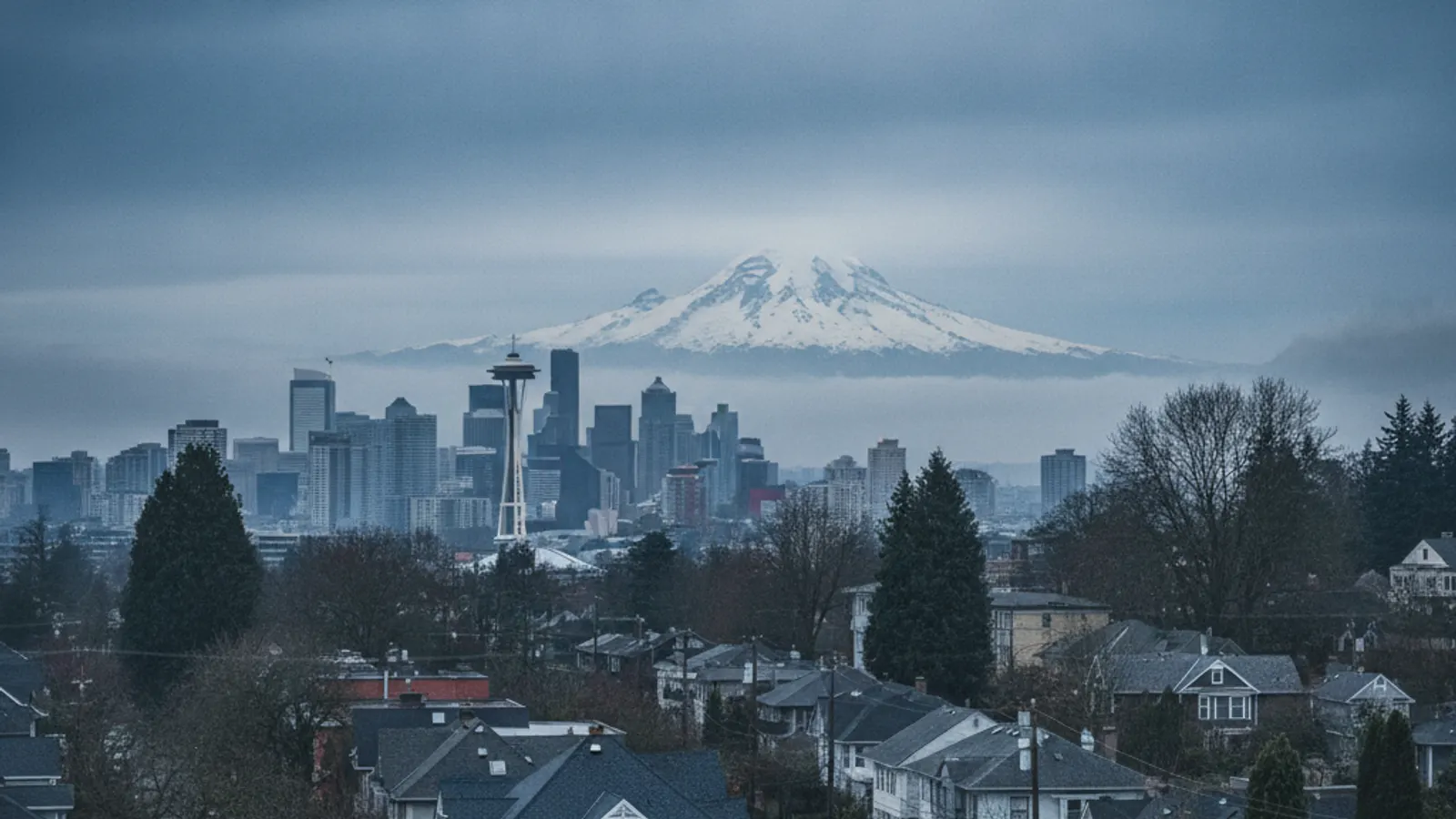
Still heating with oil in Seattle? Here's the honest picture
Roughly 8,000–10,000 Seattle homes still heat with oil — mostly pre-war Craftsmans, Tudors, and foursquares across Burien and West Seattle that never converted to gas or electric. The City of Seattle calls oil the most expensive form of home heating here, and its Clean Heat program currently pays $2,000 at any income (up to $6,000 income-qualified) to replace an oil furnace with a qualified heat pump and decommission the tank — the standard exit path for this aging fuel in our market.
The quick answer
- Oil is Seattle's most expensive home heating fuel, per the City of Seattle
- Buried oil tanks are a liability issue — decommissioning is part of any conversion
- Seattle Clean Heat: $2,000 instant rebate at any income, up to $6,000 income-qualified
- Switching to a heat pump can save more than 50% on annual heating costs (City of Seattle figure)
Who this applies to
If your house was built before roughly 1940 and has a big steel tank in the basement or buried in the yard, this is you — Craftsmans, Tudors, and foursquares across Burien, West Seattle, and the older neighborhoods we've served since 1938. Many of these systems are original conversions from coal, kept alive by decades of maintenance.
Oil heat still works. The question is what it costs to keep working: per-gallon pricing that swings with global markets, deliveries to schedule, a tank that's someone's future problem, and a burner that fewer and fewer shops still service. We're one of the shops that still does.
Distribution matters too: many oil-heated homes have no ductwork, which makes ductless heat pumps the natural conversion path — one head per zone, no tearing open plaster walls, and equipment that qualifies for Clean Heat when installed by a participating contractor.
What makes oil the expensive option here
An oil furnace burns delivered fuel at a fixed efficiency; a modern heat pump moves heat using electricity at 2–4× the energy it consumes, and Seattle's mild winters keep it in that efficient range nearly all season. That's the mechanical reason behind the City's 'save more than 50%' figure for oil-to-heat-pump conversions.
There's also the tank. Underground oil tanks eventually leak, and a leaking tank becomes an environmental cleanup on your property. Conversions include decommissioning the tank properly — which is also a Clean Heat program requirement.
How the Clean Heat conversion actually goes
A qualifying conversion replaces the oil furnace with a heat pump from the program's equipment list, installed by a participating contractor, with the tank decommissioned. The $2,000 instant rebate applies at any income; moderate-income households (81–150% of area median) can add a $4,000 bonus — city materials list a September 30, 2026 completion cutoff for the bonus, so verify the current deadline. Income-eligible households may qualify for a free conversion through the Seattle Office of Housing.
Because these are almost always older homes, the honest pre-work is the same as any electrification project: a look at the electrical panel (60–100 amp services are common in this stock) and a real load calculation so the heat pump is sized to the house, not the old furnace's nameplate.
Ductless distribution is the common path when no usable ductwork exists — which describes most oil-heated Craftsmans. Clean Heat-qualified heat pumps installed by participating contractors stack the city rebate on top of operating savings; we verify equipment list and tank decommission steps during a free conversion estimate.
The mistakes oil-heat owners make
Waiting for the furnace to die in January. Conversions involve equipment lists, rebate paperwork, possibly panel work, and scheduling — none of which you want to rush during a cold snap with no heat. The rebate window is the other risk: program terms and funding change, and the income-qualified bonus has a published completion cutoff.
The second mistake is pouring major repair money into an oil burner without pricing the alternative first. Sometimes a repair is right — but with a $2,000–$6,000 rebate on the table and 50%+ operating savings, the replacement math deserves a look before any big fix.
Third: assuming the buried tank isn't your problem. Even if it's not leaking today, buyers, insurers, and the Clean Heat program all want decommission documentation — and discovering a leak during conversion is far cheaper than discovering it during a home sale.
Questions Seattle homeowners ask
Do you still service oil furnaces?
Yes. Glendale has worked on Seattle's oil-heated homes since 1938, and we still maintain and repair oil systems while their owners decide on next steps. Fewer shops do every year, which is part of the honest cost picture for staying on oil — when your burner needs a part, lead times and labor rates reflect a shrinking trade.
What does the Seattle Clean Heat rebate actually pay?
A $2,000 instant rebate at any income for replacing oil heat with a qualified heat pump, plus a $4,000 bonus for moderate-income households (81–150% AMI) — up to $6,000 total. The tank must be decommissioned and a participating contractor must do the work. Income-eligible households may qualify for a free conversion via the Seattle Office of Housing. Verify current terms at seattle.gov before you buy; program details and deadlines change.
Will a heat pump keep an old, drafty house warm?
Sized correctly, yes — modern cold-climate units hold full capacity far below Seattle design temperatures. The real work in pre-war homes is the load calculation and the distribution choice (ductless heads vs basement duct runs), which is exactly what the in-home estimate settles.
What happens to the oil tank?
It gets decommissioned to standard — pumped out, cleaned, and either removed or filled inert, with documentation. That paperwork matters for the rebate, for your insurance, and for whoever buys the house someday.
Continue exploring
How we know this
Oil-home counts, cost claims, and rebate terms come from City of Seattle Clean Heat program materials (seattle.gov), verified July 2026. Housing-stock observations reflect Glendale's service history in Seattle's pre-war neighborhoods since 1938.
Reviewed by the Glendale Heating & Air Conditioning team · Last updated 2026-07-15

Ready for comfort you can count on?
Whether it's a furnace that quit on a cold morning or a whole new system, the Glendale team is ready. Honest pricing, expert work, and 87+ years behind every visit.
Hours & Emergency
- Mon–Sat: 8:00 AM – 7:00 PM
- Sun: Emergency On-Call Only
- Emergency line: (206) 243-7700