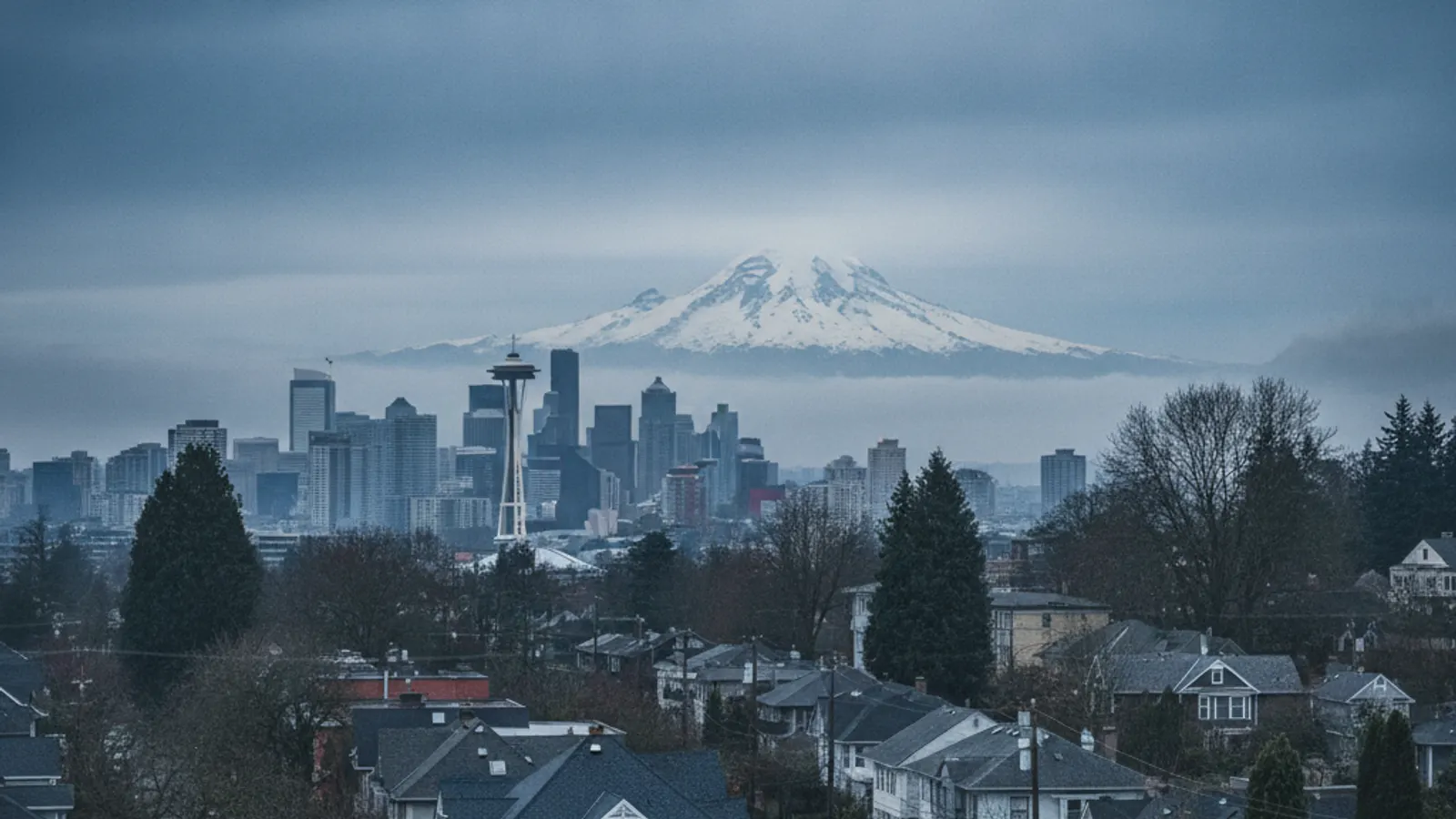
What should my HVAC do when wildfire smoke rolls in?
During wildfire smoke events in Puget Sound, the goal is simple: keep outdoor PM2.5 out and filter the indoor air repeatedly. Close up the house, run the HVAC fan on a filtration schedule with the best filter your blower can handle without choking airflow, and deploy portable HEPA units in the rooms where you actually breathe. The upgrades worth owning — media cabinets, room HEPAs, fresh filter stock — are the ones installed before the smoke arrives, not ordered after the AQI turns orange.
The quick answer
- Wildfire smoke is a PM2.5 problem — particles small enough to reach deep into lungs
- Run the system fan to filter indoor air; a standard 1-inch filter helps, higher-capture media helps more
- Don't jam a high-MERV filter into a system that wasn't set up for it — airflow matters
- Whole-home media cabinets and portable HEPA are the two upgrades that move the needle
When smoke season hits
Close windows and doors and set ventilation features (HRV boost modes, fresh-air dampers) to minimum or recirculate. Run the HVAC fan — either ON or on a circulate schedule — so air keeps passing through the filter even without heating or cooling calls. If you have air conditioning, use it; sealed-up houses heat up, and opening windows defeats the whole exercise.
Portable HEPA purifiers earn their keep in bedrooms and main living areas — sized to the room, filters fresh. A box fan with a strapped-on furnace filter is a legitimate emergency measure for a room you're stuck in; just mind the motor.
Puget Sound now sees smoke-plus-heat overlap regularly — sealed houses need cooling without opening windows. Running central AC recirculates and dehumidifies indoor air; it does not pull smoke in through the outdoor unit. That's a different failure mode than running bath fans that depressurize the house.
Why PM2.5 is the number that matters
Smoke particles around 2.5 microns and smaller stay suspended for days and slip past your nose and throat into deep lung tissue — that's why air agencies report PM2.5 specifically. Filtration is a capture game: filter media grabs particles as air passes through, so effectiveness is capture efficiency × how much air you cycle through it. Hence the two levers: better media, more passes.
Filters: what upgrade actually helps
Filter capture is rated by MERV. Standard 1-inch MERV 8 catches dust but not much fine smoke; MERV 11–13 captures meaningfully more PM2.5. The catch: finer media resists airflow, and a blower that wasn't set up for it will strain, lose airflow, or trip limits — 'best filter your system can handle' is a real engineering constraint, not marketing hedging.
The robust answer is a whole-home media cabinet: a 4–5-inch deep pleated filter in its own housing at the furnace. Deep pleats give high capture with far less airflow penalty, and they change once or twice a year instead of monthly. For allergy- or asthma-sensitive households, dedicated HEPA bypass units and other IAQ add-ons layer on from there.
After the smoke clears
Change or wash filters — a smoke event loads them hard. Air the house out properly once outdoor AQI recovers, and note what failed you: the room with no purifier, the filter you couldn't find in stock, the AC you wished you had. Smoke season repeats; the prepared version of your house is built in the off-season.
Keep a spare filter and a room HEPA where you sleep — Puget Sound's worst smoke weeks often overlap with heat, when hardware stores sell out and opening windows is not an option. The off-season upgrade list is short: media cabinet or confirmed MERV rating, HEPA for bedroom, fresh filters in the garage.
The smoke-day mistakes
Running a kitchen or bath exhaust fan for hours — those depressurize the house and pull smoky air in through every crack. Cracking windows 'for fresh air' mid-event does the same, honestly. And the filter mistake runs both directions: leaving a filthy filter in (airflow collapses right when you need passes through the media), or stuffing in the highest-MERV filter the hardware store sells without knowing your blower can take it.
Longer-term: buying gadget 'air purifiers' with tiny airflow numbers for whole-room claims. Filtration is airflow × capture — a unit moving 40 CFM cannot clean a living room, whatever its marketing says.
Questions Seattle homeowners ask
Should the HVAC fan run during a smoke event?
Yes — that's how indoor air gets repeated passes through the filter. Use fan ON or a circulate schedule. What you don't want running: exhaust fans and fresh-air ventilation that pull outdoor smoke in.
Will my AC bring smoke inside?
Standard residential central AC recirculates indoor air — the outdoor unit exchanges heat, not air — so running it is fine and keeps the closed-up house livable. If you have a dedicated fresh-air intake or ventilator, that's the component to set to minimum/recirculate during events.
What MERV rating should I use for smoke?
MERV 11–13 captures meaningfully more smoke than builder-grade filters — if your system can maintain airflow with it. That's a real constraint on many blowers, which is why the durable answer is a deep media cabinet (high capture, low restriction) rather than forcing a restrictive 1-inch filter. We'll tell you what your system can actually take.
Are portable HEPA purifiers worth it if I have central filtration?
During smoke events, yes — they add cleaning capacity exactly where you breathe, sized per room, and they work even when the central fan cycles off. Central filtration plus a bedroom HEPA is the practical belt-and-suspenders most Greater Seattle households land on after the first bad smoke season teaches them where the weak rooms were.
Continue exploring
How we know this
Filtration guidance follows EPA and ASHRAE wildfire-smoke recommendations for residential systems, applied to the equipment Glendale installs and services across Greater Seattle. Airflow cautions reflect our field experience with over-restrictive filter swaps.
Reviewed by the Glendale Heating & Air Conditioning team · Last updated 2026-07-15
Ready for comfort you can count on?
Whether it's a furnace that quit on a cold morning or a whole new system, the Glendale team is ready. Honest pricing, expert work, and 87+ years behind every visit.
Hours & Emergency
- Mon–Sat: 8:00 AM – 7:00 PM
- Sun: Emergency On-Call Only
- Emergency line: (206) 243-7700