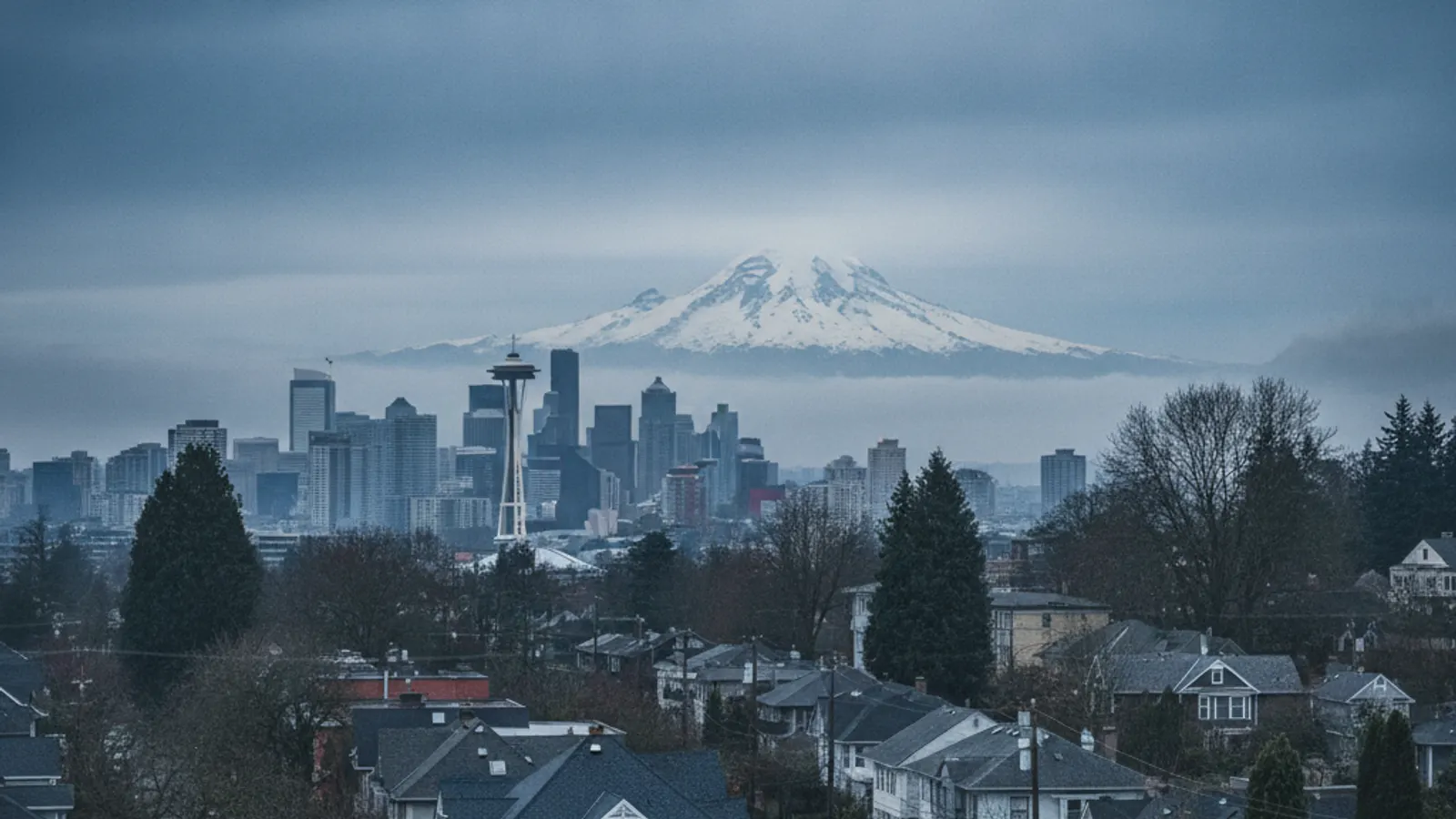
HVAC for suburban two-stories (1980s–2000s)
These homes have complete duct systems and gas furnaces hitting replacement age — which makes them the cheapest whole-home upgrades in the region: the distribution is already bought. The two decisions that matter: fix upstairs/downstairs stratification with zoning and airflow (not a bigger furnace), and decide at replacement whether to take PSE's largest rebate and switch to a heat pump or go dual-fuel. Variable-speed blowers and two-stage equipment address the comfort complaints these homes generate most often. You're buying equipment, not infrastructure — which is why this stock upgrades cheapest per dollar of comfort gained.
The realities of this stock
- You already own the expensive part — a complete duct system
- Gas rates are climbing (PSE gas up ~9.4% in 2025 with more in 2026, per the WA UTC)
- Two-story stratification is a zoning/airflow problem more than an equipment problem
The hot-upstairs problem, honestly
Two-story stratification is physics plus duct design: heat rises, and most of these systems were balanced (if ever) for a different furnace and a different family. The fixes, in escalating order: real airflow balancing, duct sealing, zoning dampers with a second thermostat upstairs, or — at replacement — variable-speed equipment that runs long gentle cycles instead of blasting the downstairs thermostat satisfied. Buying a bigger furnace to 'push more air upstairs' is the classic mistake; it makes the swings worse.
Start with the cheap fixes: confirm all registers are open, check return-air paths aren't blocked by furniture or closed doors, and measure whether the upstairs actually receives its share of airflow. Many 'hot upstairs' complaints resolve with balancing alone — no new equipment required.
Replacement time is decision time
When the gas furnace ages out, three doors open: like-for-like condensing furnace (cheapest, no rebates), furnace + AC (solves summer), or heat pump — full conversion (PSE's biggest rebate, $3,000–$4,000, gas capped) or dual-fuel with a new furnace (hybrid rebate $1,500/$2,400, cold-snap backup retained). The right door depends on your timeline, panel, and how you feel about gas-rate trajectory (+9.4% in 2025 per the WA UTC). We quote the doors side by side from one visit.
Don't wait for a breakdown to start the conversation — emergency replacements narrow your options to whatever's in stock. Planning at 15–18 years gives you time to compare dual-fuel, full conversion, and like-for-like with rebates modeled.
Summer cooling: the add-on decision
Most of these homes were built with heat only — summer comfort is an add-on project, not a given. Straight AC on the existing furnace ($5,100–$9,800 range) is the budget path when the furnace is young. A heat pump replaces both decisions in one outdoor unit when the furnace is mid-life or older, with rebates that straight AC never sees.
Seattle's warming summers make cooling less optional than it was when these homes were built. A two-stage or variable-speed blower paired with either AC or a heat pump also improves dehumidification — the difference between 'the thermostat says 72' and 'the house actually feels comfortable' on humid July afternoons.
Duct sealing before any cooling add pays for itself in reclaimed capacity — rooms that never got enough airflow in heating season get even less when the coil adds restriction. Test and seal first; then the cooling equipment can be right-sized to what the ducts actually deliver.
If upstairs cooling is the primary complaint, a ductless head on the top floor is sometimes cheaper than whole-home AC — especially when the furnace is young and the downstairs is fine. Hybrid approaches (central heat downstairs, head upstairs) are valid when the load map supports them.
What we actually recommend here
Primary fit
Ducted heat pump (or dual-fuel with your furnace)
Drop-in use of your existing ducts for high-efficiency heat plus the AC these homes usually lack. Dual-fuel keeps the gas furnace as cold-snap backup while the heat pump carries the mild Seattle majority of the season — Lennox and Daikin both build for this.
$8,000 – $16,000 typical Seattle-area range (HVAC Project Cost — Seattle, WA (citing Angi 2026), 2026)
Lennox ducted systemsAlternate
High-efficiency furnace + central AC
If you're staying on gas, a modulating furnace (up to 99% AFUE on Lennox's flagship) plus a right-sized AC fixes comfort now — and duct sealing or zoning tames the upstairs/downstairs split.
$5,100 – $9,800 typical Seattle-area range (Angi — AC replacement cost, Seattle WA, 2025–2026)
Central AC optionsPSE's largest residential heat-pump rebate is the gas-to-heat-pump conversion ($3,000–$4,000). Going dual-fuel or full electric also future-proofs against Climate Commitment Act gas-cost increases.
Every Seattle home is different — this is honest general guidance, not a system spec. The right answer comes from a real in-home load calculation (Manual J), duct and electrical-panel inspection, which is exactly what our free estimate includes. These are typical Seattle-area market ranges compiled from published cost guides (Angi, HomeGuide, and Seattle-area 2025–2026 cost studies) — market context, not a quote from Glendale Heating & Air Conditioning. Your home's size, equipment, ductwork, electrical, and permits change the number. National figures are marked; Seattle-area labor typically runs above national averages.
Questions owners of these homes ask
Can zoning really fix the upstairs without new equipment?
Often, yes — dampers plus an upstairs thermostat let the system serve each floor on its own schedule, and duct sealing recovers capacity the upstairs never received. If your equipment is mid-life, zoning now and deciding the replacement question later is a perfectly good sequence.
Is AC or a heat pump the better add for cooling?
Identical cooling; different heating math. Furnace under ~10 years: straight AC or dual-fuel. Furnace older: the heat pump paths usually win — one outdoor unit, rebates, and most of your heating displaced. The comparison guide walks it; your furnace's birthday decides it.
What should this cost?
Market ranges: furnace replacement $4,000–$9,000; AC addition $5,100–$9,800; ducted heat pump $8,000–$16,000 before rebates. On sound existing ducts you're buying equipment, not infrastructure — which is exactly why this stock upgrades cheapest.
Should I zone before or at furnace replacement?
Zoning now on mid-life equipment is valid if upstairs comfort is the pain point — dampers and a second thermostat don't require new equipment. At replacement, variable-speed and two-stage equipment amplify whatever zoning you add. The mistake is waiting for replacement to fix a comfort problem you could address today with airflow balancing and sealing. A $500–$1,500 zoning add on a working system often defers a $8,000+ replacement by several years of acceptable comfort.
Where we service these homes
Ready for comfort you can count on?
Whether it's a furnace that quit on a cold morning or a whole new system, the Glendale team is ready. Honest pricing, expert work, and 87+ years behind every visit.
Hours & Emergency
- Mon–Sat: 8:00 AM – 7:00 PM
- Sun: Emergency On-Call Only
- Emergency line: (206) 243-7700