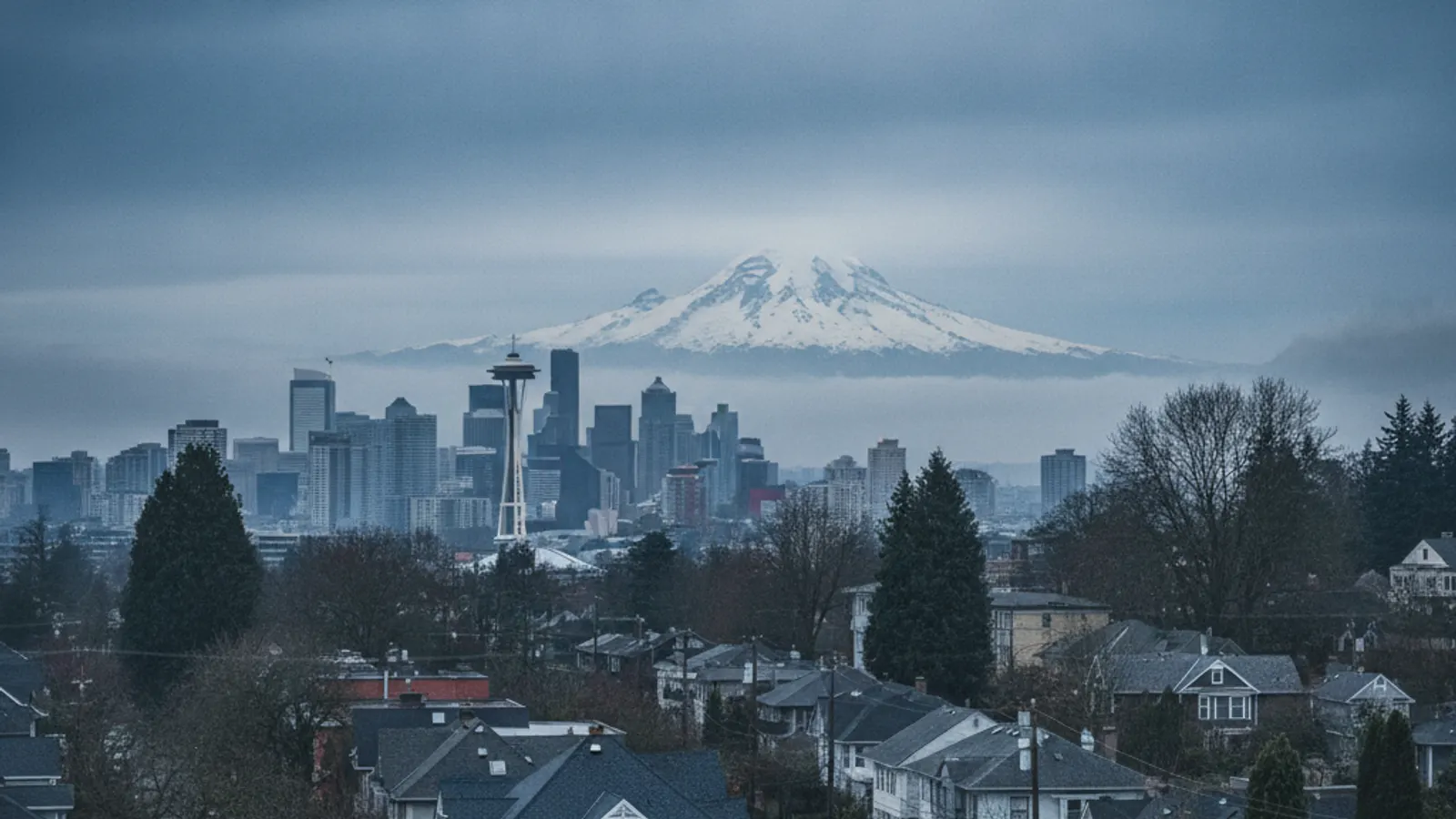
Air Purification Repair & Service in Newcastle, WA
Experiencing poor indoor air quality? Get expert air purification repair & service in Newcastle, WA. Restore clean, healthy air. Schedule service today!
Is Your Newcastle Home's Air Purification System Failing?
Are you noticing persistent musty odors, an increase in dust, or worsening allergy and asthma symptoms inside your Newcastle home, even with an air purification system running? These signs mean your system is struggling, leaving your indoor air feeling heavy, stale, and full of the allergens common to our Puget Sound region. When your air purifier can't keep up with our unique air quality challenges, from seasonal pollen to dampness-related mold, it needs professional attention right away. Glendale Heating And Air Conditioning, your local indoor air quality specialists, are ready to diagnose and repair your system, restoring clean, healthy air to your home.
Signs Your Air Purifier Needs Professional Service
An air purifier should work quietly in the background, but when it starts to fail, the signs are often impossible to ignore. These symptoms indicate the system is no longer effectively removing contaminants and requires an expert diagnosis to prevent further issues.
Worsening Allergy or Asthma Symptoms
If you're experiencing persistent sneezing, itchy eyes, coughing, or other respiratory discomfort that seems to get worse when you're indoors, your air purifier isn't doing its job. This means airborne allergens like pollen from our local trees, dust mites, pet dander, or mold spores that thrive in our damp climate are circulating freely through your home. Ignoring this directly impacts your family's health, turning your home into a source of irritation instead of a safe haven.
Persistent Musty or Stale Odors
A lingering damp, earthy, or "old house" smell is a major red flag, especially when you notice it as your HVAC system kicks on. This is a strong indicator of mold or mildew growth somewhere within your system—either in the air purifier itself or the ductwork. Your unit is either failing to capture and neutralize these organic compounds or, worse, is actively spreading the spores throughout your home.
This isn't just an unpleasant smell; it's a serious air quality concern. Mold and mildew can trigger significant respiratory issues and allergies, and if the source isn't addressed, it can continue to spread.
Increased Dust Accumulation or Visible Haze
Do you feel like you're constantly wiping down surfaces, only to see a fresh layer of dust appear almost immediately? Or maybe you've noticed a visible haze in the air when sunlight streams through a window. This means your air purifier's filters are likely clogged and overwhelmed by local particulates from traffic, seasonal pollen, or smoke.
When the system can't capture these tiny particles, they end up back in your air and on your furniture. This not only creates more cleaning work but also means your family is breathing in more irritants that can affect lung health.
Unusual Noises from Your Air Purifier
Your air purification system should operate with a consistent, low hum. If you start hearing new or loud noises like grinding, rattling, buzzing, or high-pitched whirring, it’s a clear sign of a mechanical problem. These sounds often point to a failing fan motor, loose components, or debris caught inside the unit.
These are not sounds you should get used to; they are mechanical warnings that often precede a more serious breakdown. Addressing them quickly can prevent a simple repair from turning into a complete system failure.
System Not Turning On or Displaying Error Codes
If your air purifier is completely unresponsive, won't power on, or is flashing an error code, it has likely shut itself down due to a significant internal fault. This could be anything from a power supply problem or a failed sensor to a major component failure. The system is now completely ineffective, leaving your home's air unfiltered and unprotected from contaminants.
Common Causes of Air Purifier Problems in Newcastle
Understanding what causes an air purifier to fail can help you see why a professional repair is necessary. The issues we see are often tied directly to the unique environmental conditions here in the Pacific Northwest.
Clogged or Dirty Filters, Cells, or UV Lamps
The most common cause of failure is a filtration medium that is simply overwhelmed. Whether your system uses a HEPA filter, electronic cells, or a UV lamp, it has a finite capacity to capture or neutralize contaminants. Over time, it becomes saturated with the dust, pollen, and mold spores that are so prevalent in our region.
The constant dampness and high pollen counts in Newcastle mean these components are under a heavy, consistent load. This is especially true during wildfire season, when smoke particles can clog a filter in a fraction of the normal time, requiring professional cleaning or replacement.
Electrical or Sensor Malfunctions
Modern air purifiers rely on sensitive electronics and sensors to operate correctly. A power surge, aging wiring in an older home, or simple component failure can cause the system to shut down or perform poorly. The sensors that detect particulate levels can become dirty or fail, preventing the unit from adjusting its performance to match your home's needs.
Our technicians are trained to diagnose these complex electrical issues safely. We can trace the fault to a specific wire, board, or sensor and perform the correct repair to get your system back online reliably.
Motor or Fan Issues
The fan is the heart of your air purifier, pulling air through the filters and circulating clean air back into your home. If the fan motor wears out, becomes clogged with debris, or fails electrically, the entire system stops working. You might hear loud noises as it struggles, or it may not run at all.
The continuous operation needed to combat Newcastle's year-round air quality challenges puts significant strain on these motors. Regular service can help prevent premature failure, but once a motor starts to fail, it typically needs to be professionally replaced.
Improper Installation or System Sizing
An air purifier will never work correctly if it wasn't installed properly or if it's too small for your home. We often see units that are poorly integrated with a home's ductwork, creating airflow restrictions that reduce effectiveness and strain the entire HVAC system. An undersized unit will run constantly without ever fully cleaning the air.
With Newcastle's mix of home styles, from older builds to modern, tightly sealed houses, a one-size-fits-all approach doesn't work. Our on-premises sheet-metal shop allows us to create custom fittings, ensuring your air purifier is perfectly integrated for maximum performance.
What to Expect During Your Service Visit
When a Glendale Heating And Air Conditioning technician arrives at your Newcastle home, our first priority is to perform a thorough and accurate diagnosis. We start by listening to your observations and then conduct a comprehensive inspection of the air purification unit, checking filters, fan motors, electrical connections, and any UV or electronic components. We also assess how the purifier is integrated with your furnace or air handler to ensure proper airflow.
Using specialized diagnostic tools, we’ll pinpoint the exact cause of the issue. Before we begin any work, we will explain the problem to you in clear, simple terms and provide an honest, upfront price for the repair. We believe in no-pressure diagnostics, giving you all the information you need to make the right decision for your home.
Once you approve the work, our licensed and insured technician will perform the necessary repairs efficiently and effectively. Whether it’s replacing a worn-out motor, cleaning clogged electronic cells, or correcting an electrical fault, we use high-quality parts and proven techniques. As a family-owned company serving this community since 1938, our goal is to restore your system to peak performance and ensure you can breathe clean, healthy air again.
Related Services to Consider for Better Air Quality
To achieve the best possible indoor air quality, your air purifier needs to work as part of a healthy, well-maintained HVAC system. Consider pairing your repair with a comprehensive Heating Maintenance & Tune-Up or Ductless Maintenance & Tune-Up. A clean and efficient heating and cooling system provides cleaner airflow for your purifier to work with, improving its effectiveness and lifespan.
Why This Matters: The Cost of Waiting
Ignoring a problem with your air purification system is more than just an inconvenience. For your family, it can mean continued exposure to allergens, mold spores, and other pollutants that trigger respiratory issues and impact overall health. A malfunctioning unit also struggles to operate, often using more electricity and driving up your energy costs.
Over time, a small issue can cascade, putting extra strain on your primary HVAC system and potentially leading to a more expensive AC Repair & Service or furnace breakdown. Promptly addressing air purifier problems protects your family's health, saves you money on energy costs, and preserves the longevity of your entire home comfort system.
Your Partner for Clean Air in Newcastle
Don't let poor indoor air quality compromise the health and comfort of your home. If your air purification system isn't performing as it should, the expert team at Glendale Heating And Air Conditioning is here to help. Contact us today to schedule your service and let us restore the clean, fresh air your family deserves.
Local HVAC context: Newcastle
Utility & rebates
Puget Sound Energy territory: qualifying heat pump conversions earn PSE rebates — $1,500–$2,400 off electric heat, $3,000–$4,000 off gas, $1,500/$2,400 hybrid — plus the $75/$175 smart thermostat rebate. From April 2026 installs must be by a PSE-network professional.
Rebate finder Heat pump vs furnace decision How heat pumps work here
The housing stock here
Predominantly 1980s–2000s two-stories with full ductwork and gas heat — textbook candidates for dual-fuel or full gas-to-heat-pump conversions, with AC finally becoming standard equipment on this hillside.
Deep dives: Suburban two-story
Permits
Permits run through the City of Newcastle. Permits are part of every legitimate bid — Seattle-area mechanical permits commonly add $150–$450 to a replacement.
Glendale & Newcastle
Served along our Eastside routes via I-405.
Planning the budget
Not sure what's wrong yet? Try the free symptom checker — three quick questions, honest guidance. Shopping equipment? See the brands we install (Lennox, Daikin, Mitsubishi).
Questions Newcastle homeowners ask us
Is a heat pump a good choice in Seattle?
Absolutely. Washington's mild winters are ideal for heat pumps — they heat efficiently nearly all year and cool your home in summer too. Ask us about current utility rebates that may apply to your home; it's one of the smartest upgrades a PNW homeowner can make.
How do I know if I should repair or replace my furnace?
It depends on age, repair cost, and efficiency. As a rule of thumb, if your system is over 12–15 years old and facing a major repair, replacement often saves money long-term. Our technician will give you the honest options so you can decide.
What brands do you install and service?
As an authorized Lennox dealer we specialize in high-efficiency Lennox systems, and our technicians service all major HVAC brands. We carry common parts on the truck so most repairs are handled in a single visit.
What areas does Glendale Heating serve?
We serve the Greater Seattle area — including Seattle, Bellevue, Renton, Kent, Burien, Des Moines, Federal Way, Auburn, Tacoma, and surrounding King and Pierce County communities. Not sure if you're in our area? Call (206) 243-7700 and we'll let you know.
More answers on the full FAQ page .
Ready for comfort you can count on?
Whether it's a furnace that quit on a cold morning or a whole new system, the Glendale team is ready. Honest pricing, expert work, and 87+ years behind every visit.
Hours & Emergency
- Mon–Sat: 8:00 AM – 7:00 PM
- Sun: Emergency On-Call Only
- Emergency line: (206) 243-7700